Choosing prizes for an arcade machine sounds simple. Buy some popular toys, fill the machine and let players enjoy the game.
But operators quickly discover that not every prize works well. Some are too large, some cost too much, and others simply don’t attract players.
The right prize selection should balance three things: player interest, machine compatibility and operating cost.
Here are some practical points to consider.
1. Start with the Machine, Not the Prize
Before buying prizes in bulk, check the machine’s actual dispensing system.
For a capsule redemption machine, confirm the capsule diameter the machine supports. Common capsule sizes include 45–50 mm, 65 mm, 75 mm and 100 mm, but compatibility depends on the specific machine.
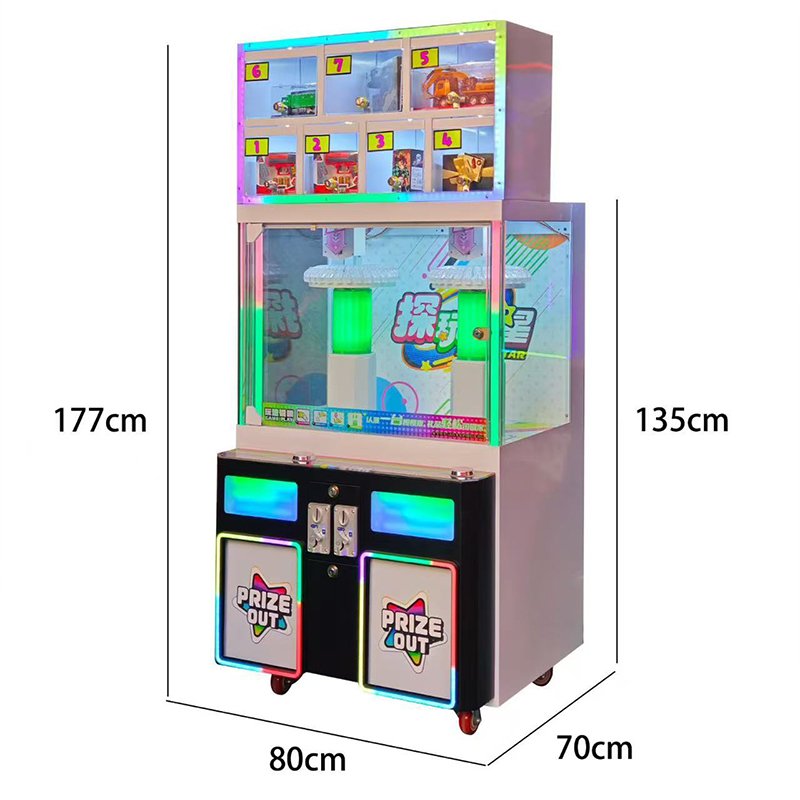
For a prize locker machine, check the size of each compartment and how the prizes are collected.
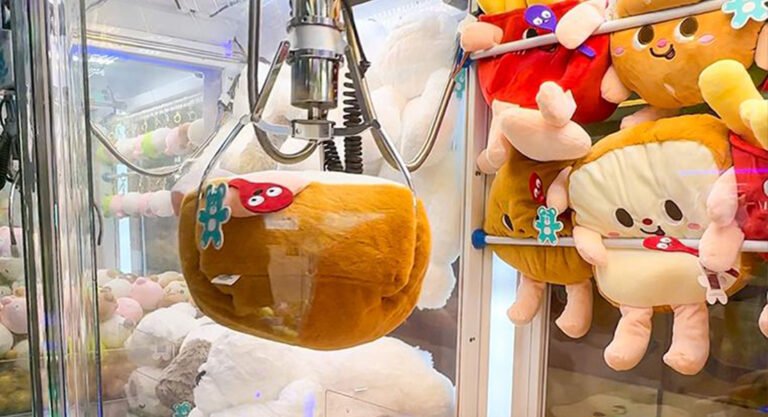
For a clip or claw-style game, consider the prize’s shape, weight and how easily the mechanism can handle it.
A prize may look attractive, but if it doesn’t fit or work properly with the machine, it creates problems for the operator.
2. Choose Prizes Players Can Recognize
Players usually make quick decisions. They should be able to understand what they might win without spending time figuring out what is inside the machine.
Some options worth considering include:
- Small plush toys
- Mini figures and collectible toys
- Blind boxes
- Keychains and accessories
- Small gift sets
- Suitable electronic accessories
The best choice depends on the venue and target players. A children’s entertainment area may need different prizes from a shopping mall arcade.
3. Keep Prize Costs Under Control
A prize machine needs to make commercial sense.
Before selecting a prize, calculate its cost per unit and estimate how many prizes the machine may dispense.
For example, if a prize costs $2 and the machine gives out 100 prizes, the total prize cost is $200.
This is only the prize expense. Operators should also consider machine revenue, rent, payment fees, maintenance and other operating costs.
Don’t choose prizes based only on their retail price. What matters is whether the overall game operation is sustainable.
4. Offer a Mix of Prizes
Filling the entire machine with one type of gift can make the display less interesting.
A practical approach is to offer a mix:
- Regular prizes: Affordable items for everyday play.
- Popular prizes: Items that are easy to recognize and appeal to your main audience.
- Special prizes: A few more attractive gifts to create interest.
For machines with separate prize compartments, operators can use different compartments to display different gifts.
The exact mix should be adjusted according to actual sales and player feedback.
5. Make Restocking Easy
Prize selection is not just about what players like. Operators also need to consider how easy it is to replenish stock.
Before ordering, check:
- Can the prizes be purchased regularly?
- Are they available in consistent sizes?
- Can suppliers provide them in bulk?
- How much storage space is needed?
- Can staff refill the machine quickly?
A popular prize that is difficult to restock may cause unnecessary downtime.
6. Test Before Ordering in Bulk
This is one step worth taking seriously.
Buy a small quantity of the selected prizes first. Test them in the actual machine and observe how they perform.
Check whether they fit correctly, dispense smoothly and look attractive inside the cabinet.
Also pay attention to player reactions. If a prize gets little attention, changing it may be better than continuing to refill the same item.
Final Thoughts
There is no single prize that works for every arcade machine or venue.
A good starting point is to choose prizes that fit the machine, appeal to the target players, have manageable costs and are easy to replenish.
For arcade operators, testing a small batch before placing a large order is often a much safer approach than filling the machine based on guesswork.